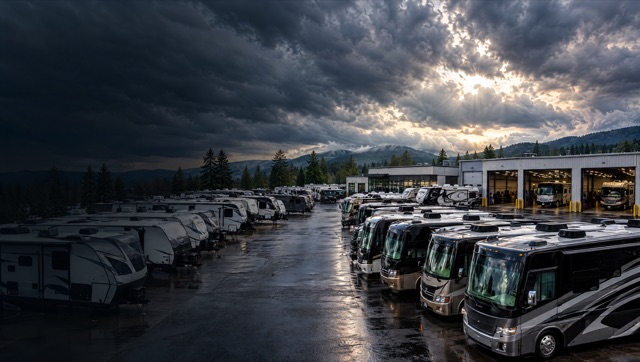
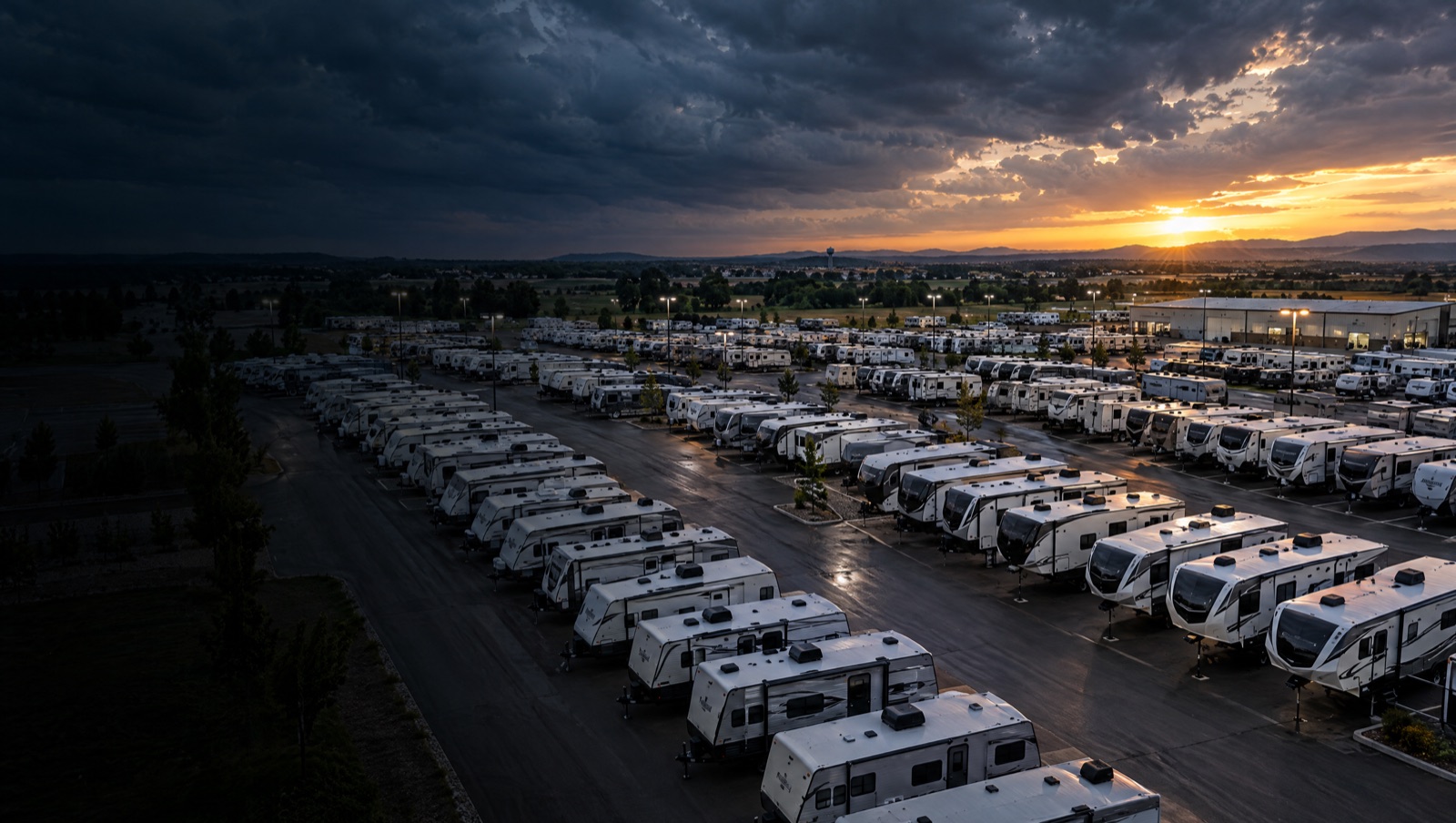
The single most useful thing to understand about RV pricing is that MSRP is close to fiction. Manufacturers set it high, dealers advertise a big "discount" off it, and the real deal is a separate conversation about the dealer's actual cost. Anchor to the sticker and you negotiate against a made-up number. Anchor to cost and you negotiate against reality.
How far below MSRP RVs commonly sell
Exact figures vary by model, year, and how hot the market is, and the public data is mostly dealer and forum anecdote rather than audited statistics, so treat any single percentage with caution. As a rough map in a normal-to-soft market like recent years:
- Travel trailers and fifth wheels: discounts often land in the 20 to 35 percent range off MSRP, with the deepest cuts on larger, slower-selling floorplans.
- Class A and Class C motorhomes: commonly discussed in the 20 to 30 percent range, more on aging lot stock, less on in-demand models.
- Class B camper vans: typically the tightest, often cited around 10 to 18 percent, because demand runs high and supply is limited.
Two cautions. A popular model in short supply will discount far less than a unit a dealer is tired of floor-planning. And the baseline moves: some quotes exclude freight while others fold it in, so a "30 percent off" can mean different dollars depending on which MSRP it is measured against.
Stop negotiating off MSRP entirely. Ask for the out-the-door price in writing, then compare it against what similar units are actually listed for right now. Our live deal check tool pulls current active listings so you can see the real market, not the sticker.
Why the sticker is so soft
RV margins are built to survive discounting. The window price leaves room for a headline markdown, a trade-in "value," and a finance office that makes its own money. That is why a 30 percent discount can still be a mediocre deal, and why a smaller discount on a lean-priced unit can be a great one. The percentage is theater. The out-the-door dollars are the plot.
How to anchor your offer
Work the problem in this order: find the true market by pricing comparable active units, estimate the dealer's cost rather than trusting the sticker, make your offer on the out-the-door total including every fee, and keep financing a separate conversation so a low payment cannot hide a high price. If that sounds like a lot of homework, it is exactly the homework an RV buyer's agent does for you, anchored to dealer cost and paid only by you.
The next step
Have a quote in hand? Run it against the live market before you respond to the dealer, and read how dealer fees work so the out-the-door number holds no surprises. If you want a second set of eyes on the whole deal, that is what we are here for.