An RV is a house and a vehicle bolted together, with dozens of systems that can hide expensive problems behind clean cosmetics. A professional pre-purchase inspection is how you find them before they become yours. Here is what a real one covers and why it is worth every dollar.
Why it has to be independent
"We had it fully inspected, it's solid" is one of the most common things buyers hear, and it means little when the inspection was done by the party that needs to sell the unit. A genuine inspection is performed by a neutral, independent RV inspector who gets paid the same whether you buy or walk. That independence is the entire value. If a dealer resists letting you bring your own inspector, you have learned something important.
What a real inspection covers
A thorough pre-purchase inspection works through the major systems, including:
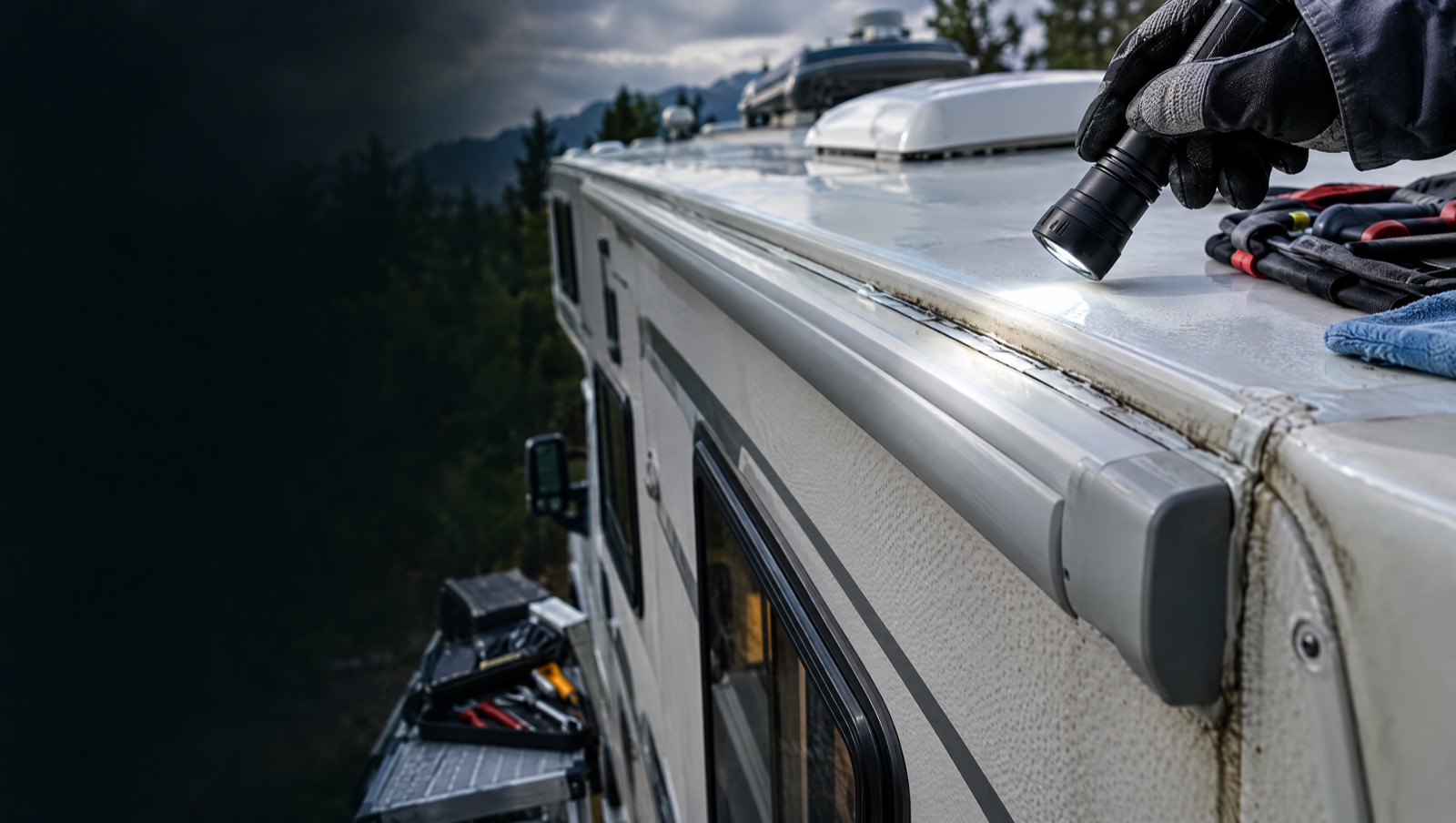
- Roof and seals, for water intrusion, the single most value-destroying problem in any RV. See RV roof leaks.
- Walls, floors, and delamination, for soft spots and moisture damage behind the surface.
- Appliances and systems: furnace, AC, refrigerator, water heater, plumbing, and the electrical and propane systems.
- Slide-outs, a frequent and costly failure point. See slide-out failures.
- Chassis, tires, and brakes on a motorhome, plus engine and generator where applicable.
- Fluid analysis, which some inspectors offer on motorized units to catch engine and transmission trouble early.
You have the right to an inspection by someone who does not get paid when you buy. Use it on every unit, new or used. A few hundred dollars spent here routinely catches problems that would cost thousands, and it gives you real leverage if something turns up.
What it costs and when to do it
Cost depends on the unit's size, your location, and how deep the inspection goes. As a rough guide:
| Unit type | Typical inspection cost |
|---|---|
| Travel trailer or small towable | about $150 to $350 |
| Fifth wheel or large towable | about $250 to $450 |
| Class B or Class C motorhome | about $300 to $550 |
| Class A motorhome | about $400 to $650 and up |
| Add-on: fluid analysis (motorized) | about $100 to $200 |
These are general ranges that vary by inspector and region, not fixed prices, and specialty tests such as thermal imaging add more. Whatever the figure, weigh it against the repair bills a single missed problem can bring, which are often many times the inspection fee. Schedule the inspection after your offer is accepted but before you finalize and before any non-refundable money is committed, so the findings can still change the deal.
Turning the report into leverage
An inspection report is not just a go or no-go. It is a negotiating document. Verified issues become concrete reasons to adjust the price, request repairs, or walk away with your deposit intact. This is exactly the kind of work a buyer's agent coordinates as part of representing you.
The next step
Lining up a purchase? Build the inspection into your offer from the start, and read the dealer buying checklist so the inspection clause and the deposit terms are locked before you pay. Need an inspector or help reading a report? We can point you to the right people.